Your water heater usually gives you hints before it quits, and noticing them early can save you from cold showers, water damage, and expensive emergency replacements. When a unit starts struggling, it often works harder to keep up, which can drive up energy bills and shorten its remaining lifespan. Because of that, paying attention to performance changes—especially ones that happen gradually—helps you plan ahead and avoid a sudden breakdown. If you’ve been wondering whether your system is still dependable, these common warning signs can help you decide what to do next.
Inconsistent Hot Water or a Sudden Drop in Temperature
One of the first clues is hot water that doesn’t stay hot for as long as it used to. For example, you might notice your showers go lukewarm quickly, or the water temperature swings from hot to warm without you changing anything. This can happen when heating elements are wearing out (in electric units) or when a gas burner is no longer running efficiently. In addition, sediment buildup can reduce the tank’s ability to heat water evenly, which means your heater may run longer yet still deliver weaker results. If your household routine hasn’t changed but your hot water performance has, your water heater may be nearing the end of its run.
Strange Noises, Rumbling, or Popping Sounds
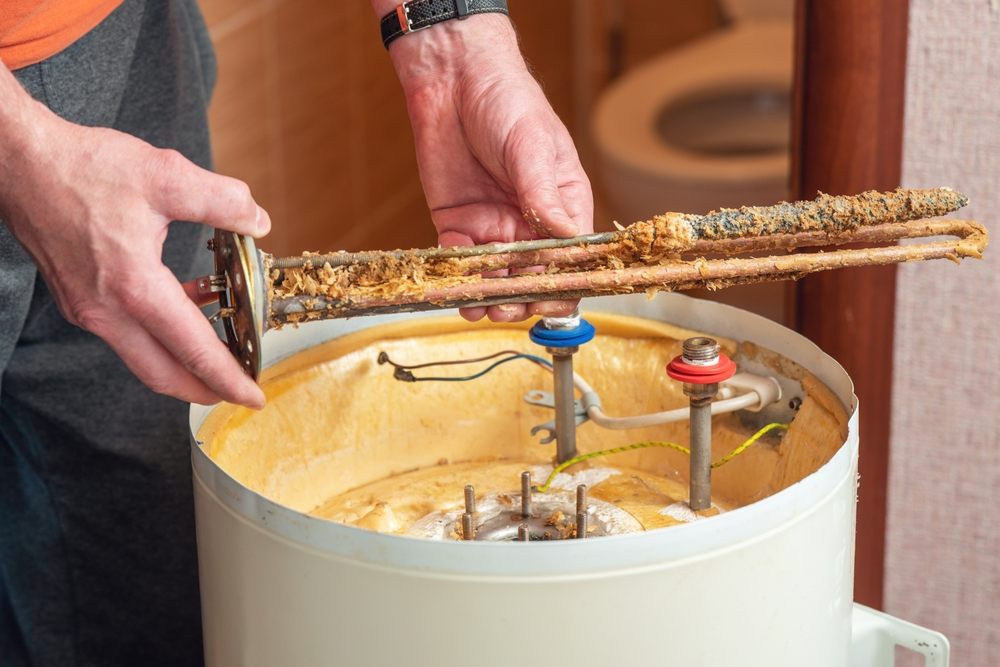
A water heater shouldn’t sound like it’s cooking rocks, yet rumbling or popping is a common sign of trouble. Over time, minerals in the water can settle at the bottom of the tank and harden into a layer of sediment. As the heater warms the water, that sediment can trap heat, create hot spots, and cause noisy bubbling or cracking sounds. Not only can this reduce efficiency, but it can also overheat parts of the tank and speed up internal wear. If your unit has become noticeably louder, it’s often a sign that the inside of the tank is working under stress.
Rusty Water, Corrosion, or Moisture Around the Tank
If you run hot water and notice a brownish tint, rusty smell, or small flakes, that’s a major red flag—especially if it’s only coming from hot taps. Rust can indicate corrosion inside the tank, and once a tank starts corroding, it’s often a matter of time before it leaks. Also check the outside of the unit: dampness, pooling water, or stains near the base can suggest a slow leak or a failing valve. Even small leaks can grow quickly, so it’s smart to take moisture seriously and investigate right away. A water heater that’s showing corrosion or leaking is often close to a full failure.
If you’re seeing inconsistent hot water, unusual noises, rust-colored water, or moisture near the tank, it’s time to treat your water heater as a priority. First, avoid ignoring the issue, because a failing tank can lead to flooding and costly repairs. Next, consider having a professional inspection to confirm whether a repair makes sense or if replacement is the safer, more cost-effective move. Acting early gives you more options, helps you choose the right unit for your home, and prevents an emergency shutdown at the worst possible time.
Upgrade Your Water Heater Tidal Plumbing
Tidal Plumbing can help if your hot water runs out too quickly, the temperature keeps shifting, or you’re hearing rumbling and popping noises from your tank. These warning signs, along with rusty-colored hot water, visible corrosion, or moisture around the base of the unit, often mean your water heater is wearing out and could fail soon. Our experienced team will inspect your system, pinpoint the issue, and recommend the right solution—whether that’s a repair, maintenance service, or a full replacement to prevent unexpected water damage. Call us today at (619) 902-4130 or fill out our online form to schedule your service.