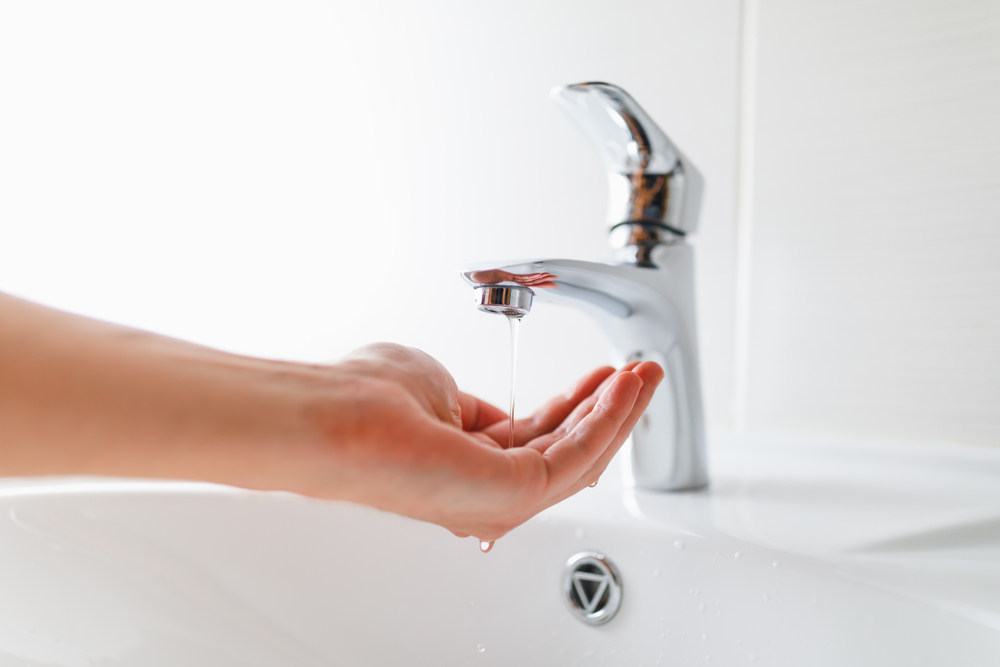
You turn on your faucet expecting a steady stream, but instead you get a disappointing trickle. Low water pressure can show up in different ways—slow-filling sinks, weak showers, or appliances taking longer than usual to run their cycles. When this happens, you may wonder whether the issue is affecting your entire plumbing system or just one fixture. Paying attention to where and when the pressure drops is the first step in figuring it out. If only one faucet or showerhead is affected, the cause is often localized. But if multiple fixtures across your home are experiencing the same problem, it may indicate a larger plumbing issue that requires closer attention.
Checking for Fixture-Specific Problems
When low water pressure is limited to a single faucet or shower, the issue is often easier to pinpoint. Mineral buildup, debris, or worn-out components inside the fixture can restrict water flow over time. This is especially common in areas with hard water, where deposits collect inside aerators and showerheads. You can start by unscrewing the aerator or showerhead and checking for visible buildup. Cleaning or replacing these parts can quickly restore normal pressure. In some cases, the shut-off valve under the sink may not be fully open, which also reduces flow. Taking a few minutes to inspect these smaller components can help you determine whether the problem is isolated and easily fixable without more extensive plumbing work.
Identifying Whole-Home Pressure Issues
If you notice low water pressure affecting multiple areas of your home, the cause may lie deeper within your plumbing system. Problems such as pipe corrosion, hidden leaks, or issues with the main water supply line can all lead to reduced pressure throughout the house. Older pipes are particularly prone to buildup and narrowing, which restricts water flow over time. You might also notice other warning signs, such as discolored water, unusual noises in the pipes, or a sudden increase in your water bill. These indicators suggest that the issue goes beyond a single fixture and requires a more thorough evaluation to prevent further complications.
Understanding External Factors That Affect Pressure
Sometimes, the cause of low water pressure isn’t inside your home at all. Municipal water supply issues, maintenance work, or changes in local demand can temporarily affect your water flow. If your neighbors are experiencing similar problems, it may be related to the community water system rather than your plumbing. Pressure regulators, if installed, can also malfunction and reduce the flow entering your home. Checking with your water provider or observing whether the problem resolves on its own can help you rule out external causes. Still, if the issue persists, it’s important to have your system checked to ensure everything inside your property is functioning as it should.
Getting the Right Help to Restore Your Water Pressure
When basic checks don’t solve the issue, it’s time to bring in a professional to take a closer look. A licensed plumber can assess your system, identify hidden problems, and recommend the most effective solution to restore proper water flow. Whether it’s repairing a leak, replacing aging pipes, or adjusting a pressure regulator, addressing the root cause ensures long-term performance and peace of mind. With Tidal Plumbing, you can expect reliable service that helps protect your home and gives you confidence every time you turn on the tap. Call (619) 902-4130 or fill out our online form to schedule your service and get your water pressure back to normal.